
How Much Do Barbers Make? Salary Breakdown by Experience
Barbering has a clear learning curve. Students may start by asking what barbers earn, but the more useful question is how income can change as skill, speed, client trust, and shop experience grow. Understanding barber salary by experience level can make the path feel more realistic before training begins.
This breakdown looks at barber pay from a practical, behind-the-chair perspective. It covers what the average wage means, how earnings may shift from entry-level work to a fuller client book, and why setting, schedule, service quality, and repeat clients can all affect income over time.
What the Average Barber Salary Tells You
Barber pay is easiest to understand when you look at it as a range, not a single number. The U.S. Bureau of Labor Statistics reported that barbers earned a median hourly wage of $18.73 in May 2024, with the lowest 10% earning less than $13.35 per hour and the highest 10% earning more than $37.71 per hour.
That gap matters because barbering is a career where experience, speed, skill, and client loyalty can change the picture. A newer barber may still be learning how to manage timing, consultations, and different cut requests, while a more established barber may have a full schedule, repeat bookings, tips, beard services, and referrals that affect overall income.
For students, the average is useful because it gives the career a real starting point. The deeper value comes from understanding how barbers move from learning the craft to building the trust, consistency, and client base that can support stronger long-term earning potential.
Barber Salary by Experience Level
Experience can make a noticeable difference in a barber salary because the work depends on technical services, speed, trust, and client relationships. As barbers gain more practice, they often become more comfortable with different hair types, haircut requests, beard services, and the pace of a busy shop.
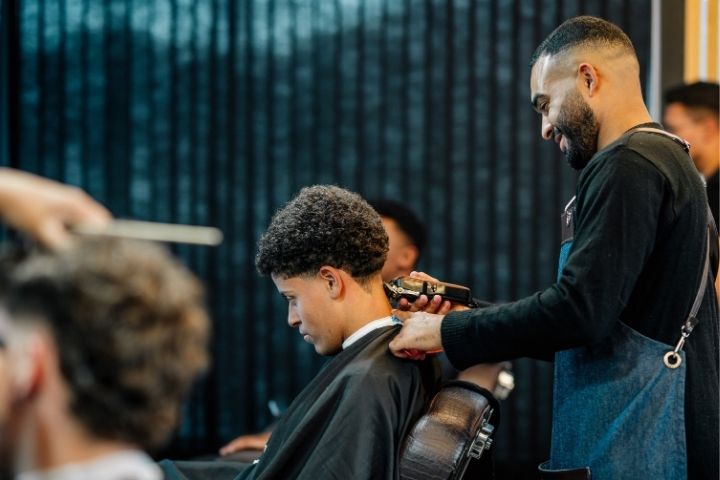
Pay may also grow as a barber becomes easier to recommend. Clients who like the service, the conversation, and the final result are more likely to come back, tip well, and refer other people.
Entry-Level Barbers
Entry-level barbers are usually focused on building confidence, improving timing, and learning how to handle real client requests. Income at this stage may be more modest because the barber is still developing speed, consistency, and a steady schedule.
Growing Barbers With Repeat Clients
A barber with repeat clients may begin seeing more dependable income because regular appointments create a stronger rhythm. At this stage, better consultations, cleaner finishes, beard services, and client comfort can all help increase earning potential.
Experienced Barbers With a Strong Book
Experienced barbers often have a clearer personal style, stronger client trust, and a fuller appointment book. When clients know what to expect and keep returning, the barber may have more room to earn through consistent bookings, tips, referrals, and premium services.
This breakdown shows why barber pay is better viewed as a path, not a single number. Each stage can teach something different, from basic technique and timing to client loyalty and repeat bookings. Growth takes time, but early training can help build the habits that support stronger work later.
What Can Help a Barber Earn More Over Time
A barber salary can grow when a barber becomes known for consistent work, good timing, and a comfortable client experience. Clean fades, beard grooming, sharp lines, and reliable consultations can all help clients feel confident about coming back. Small habits, like remembering preferences or explaining maintenance clearly, can also make the service feel more personal.

Growth often comes from a mix of technical skill and trust. A barber who keeps improving, stays professional, and handles each appointment with care may earn more through repeat clients, tips, referrals, and add-on services. Over time, those relationships can help turn a busy schedule into a stronger income path.
Why Barber Pay Can Vary by Work Setting
Barber pay can look different depending on where someone works and how the shop is set up. Some barbers may earn hourly wages, while others may work through commission, booth rental, self-employment, or a mix of income sources.
Location, client demand, and day or evening schedule options can also affect earning potential. A busy shop with steady walk-ins may offer different opportunities than a smaller setting where a barber builds slowly through appointments, referrals, and long-term client loyalty.
Start Building Skills for a Barbering Career
Barber income grows with more than technical ability. A future barber also needs timing, consistency, conversation skills, and the confidence to keep improving with every client in the chair.
Rivertown School of Beauty helps students begin building those habits through barbering training that connects hands-on practice with real career preparation. Connect with the admissions team to discuss training, enrollment, and next steps for your barbering future.